Introduction
The Cambodia calendar represents a significant subject within its field, encompassing a range of practices, traditions, and applications that shape daily life and broader cultural landscapes. Understanding the Cambodia calendar provides clarity about its background, its present relevance, and the way it continues to influence various aspects of society. This intricate system of timekeeping is more than a mere schedule; it is a repository of historical wisdom, religious observance, and agricultural cycles that define the rhythm of life in Cambodia. Its influence extends from national holidays and religious festivals to personal milestones and daily routines, making it an indispensable element of Cambodian identity and heritage.
Definition and Origin of the Cambodia Calendar
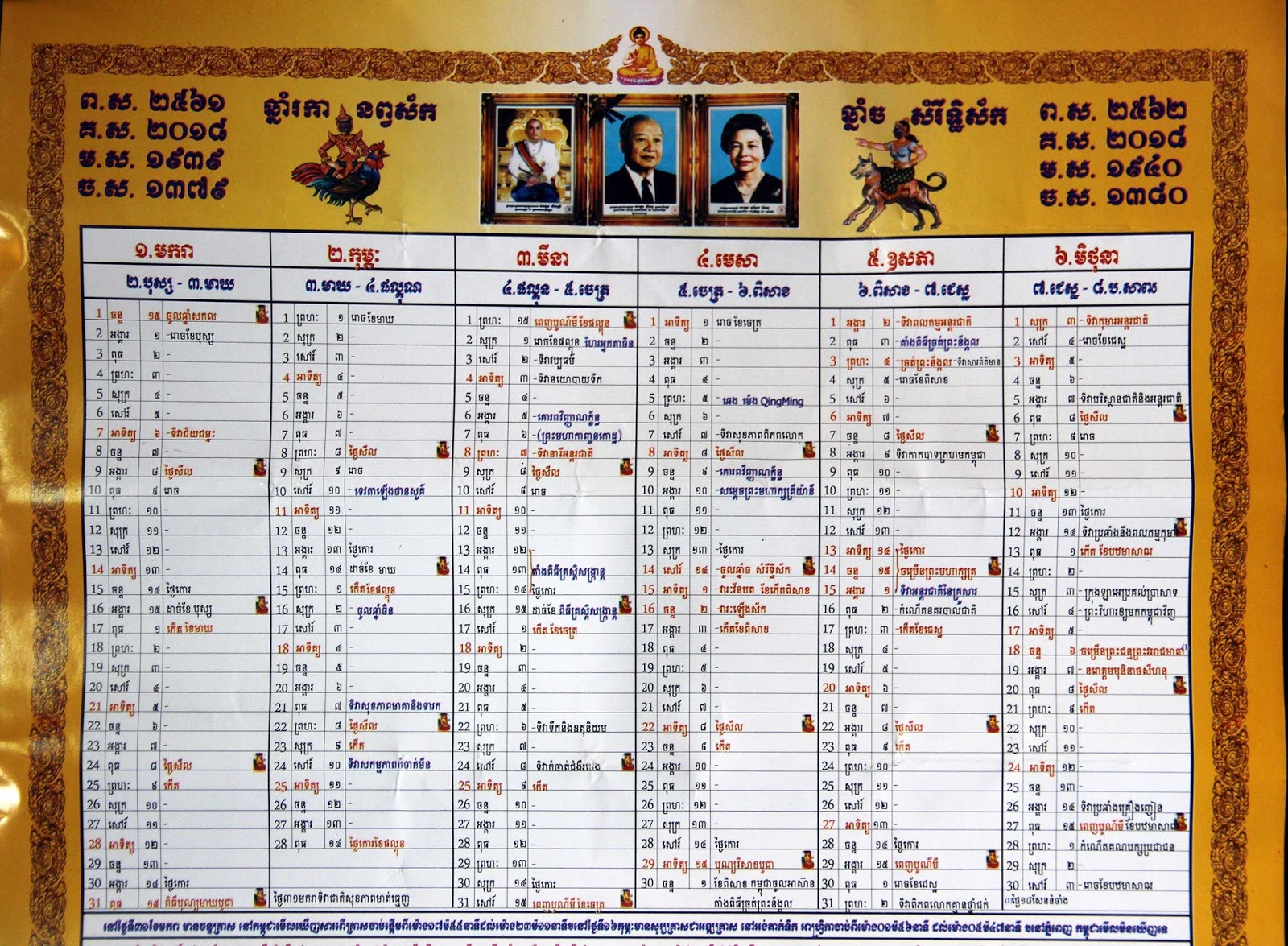
The Cambodian calendar, often referred to as the Khmer calendar (Pracheam Sak), is a lunisolar calendar, meaning its dates indicate both the moon’s phase and the time of the solar year. This complex system is deeply rooted in ancient Indian astronomical traditions, particularly the Surya Siddhanta, and has been adapted over centuries through interactions with various cultures, most notably Theravada Buddhism. Its structure incorporates elements of both lunar months and a solar year, requiring periodic adjustments to keep it synchronized with the seasons.
A typical year in this traditional chronology consists of 12 lunar months, alternating between 29 and 30 days, totaling approximately 354 days. To reconcile this with the solar year of approximately 365.25 days, an extra month (an intercalary month) is added every two or three years. This process, known as "Adhikamas," ensures that festivals and agricultural cycles remain aligned with the appropriate seasons. Each month also holds specific cultural and religious significance, dictating the timing of various ceremonies and observances.
The origins of this timekeeping system can be traced back to the early kingdoms of Funan and Chenla, with further refinement during the Angkorian period. Inscriptions from Angkor Wat and other ancient temples bear witness to a sophisticated understanding of astronomy and chronology. The adoption of Theravada Buddhism as the dominant religion further solidified the calendar’s role, with key Buddhist holidays becoming central to its annual cycle. The names of the months, many derived from Sanskrit, reflect this historical linguistic and religious influence. Understanding the foundational principles of this traditional Cambodian chronology is crucial to appreciating its enduring impact on the nation’s cultural fabric.
Importance of the Cambodia Calendar Today
The enduring importance of the Cambodia calendar in contemporary Cambodian society cannot be overstated. It serves as a fundamental framework for cultural preservation, religious observance, and the daily lives of millions. Unlike purely secular calendars, this traditional system is intrinsically linked to the spiritual and social cohesion of the nation.
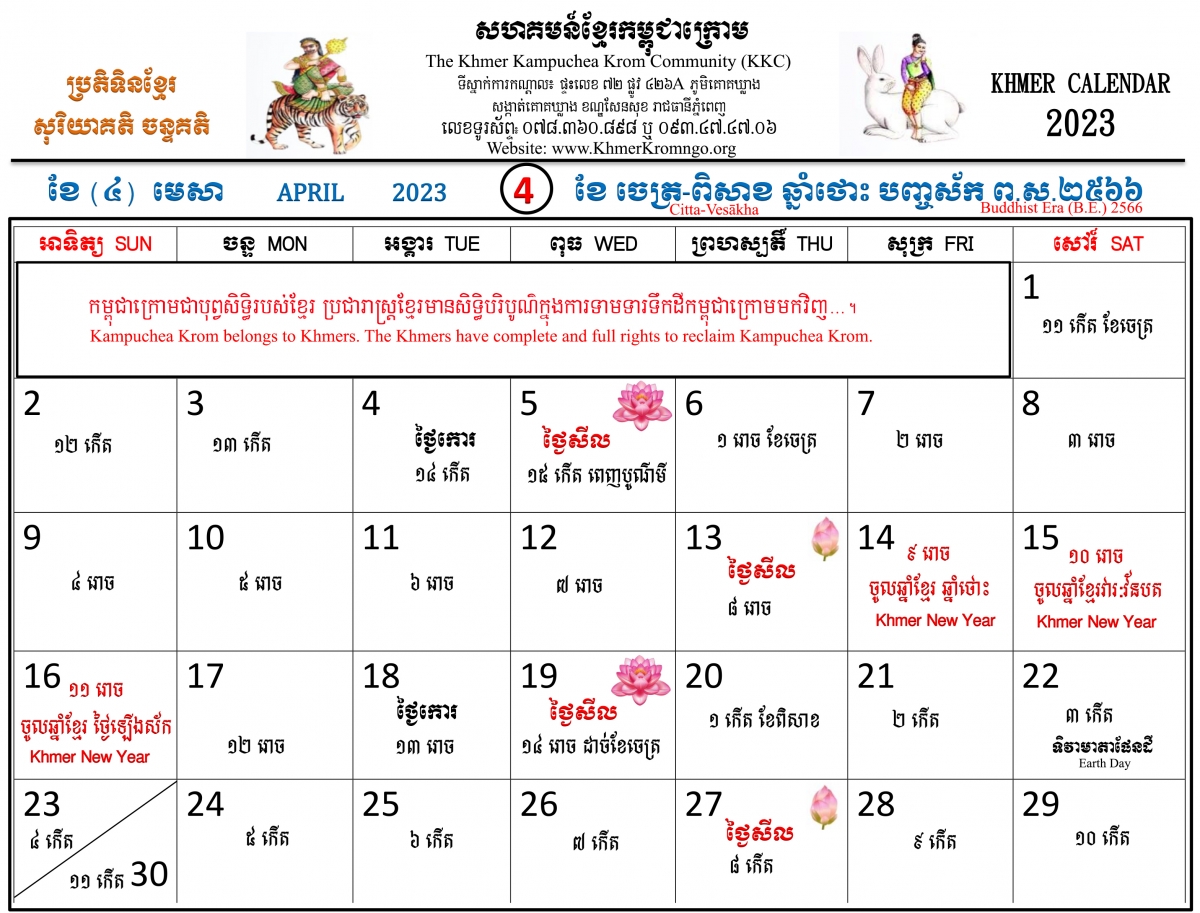
One of its primary roles is dictating the timing of major national and religious festivals. Celebrations like Khmer New Year (Chaul Chnam Thmey), Pchum Ben (Ancestors’ Day), and Visak Bochea (Buddha’s Birthday) are all determined by the lunar-solar cycle. These events are not merely holidays; they are periods of profound cultural significance, marked by family gatherings, temple visits, and traditional rituals that reinforce community bonds and a sense of shared heritage. Without the precision of this calendar, the collective observance of these vital traditions would be impossible, leading to a fragmentation of cultural identity.
Furthermore, the traditional Cambodian chronology plays a significant role in agricultural planning, particularly for rice cultivation, which remains the backbone of the Cambodian economy. Farmers rely on the calendar to determine optimal planting and harvesting times, aligning their activities with the monsoon seasons and other environmental factors. This practical application demonstrates the calendar’s continued relevance beyond purely religious or ceremonial contexts.
Beyond national events, the traditional calendar also influences personal decision-making. Auspicious days for weddings, housewarmings, business ventures, or even travel are often consulted using traditional astrological interpretations linked to the lunar cycle. This integration into personal life underscores its deep cultural resonance, guiding individuals in navigating important life events according to long-held beliefs. The system thus acts as a living bridge between the past and the present, ensuring that ancient customs and wisdom continue to shape modern Cambodian society.
Benefits of the Cambodia Calendar
The traditional Cambodian calendar offers a multitude of benefits, extending from cultural preservation to practical daily guidance. Its unique structure and deep historical roots provide advantages that a purely Gregorian system cannot fully replicate.
Firstly, a significant benefit lies in its role as a powerful tool for cultural preservation. By providing the fixed dates for traditional festivals and ceremonies, it ensures the continuity of practices that might otherwise fade. It reinforces a collective memory of historical and religious events, passing down traditions from one generation to the next. This continuity fosters a strong sense of national identity and pride, allowing Cambodians to connect with their ancestral heritage.
Secondly, the traditional calendar provides a structured and predictable schedule for religious observances. For a predominantly Buddhist nation, the precise timing of holy days, temple offerings, and merit-making ceremonies is paramount. This system of timekeeping ensures that all followers can observe these important dates uniformly, fostering spiritual unity and adherence to religious tenets. The predictability allows for comprehensive planning of community-wide religious activities, strengthening communal ties.
Moreover, the lunisolar nature of the calendar offers practical benefits, particularly in an agrarian society. Its alignment with agricultural seasons, especially the monsoon cycle crucial for rice farming, provides a reliable framework for planning planting, cultivation, and harvesting activities. This integration with natural rhythms aids in optimizing yields and ensuring food security, a vital aspect of rural life.
Finally, the traditional chronology offers a deeper connection to historical narratives and astrological interpretations. For many, consulting the calendar provides insight into auspicious times, believed to influence the success or outcome of endeavors. This blend of practicality, spirituality, and cultural depth ensures that the traditional Cambodian calendar remains a cherished and beneficial aspect of life in Cambodia.
Applications of the Cambodia Calendar
The applications of the Cambodia calendar are diverse and pervasive, touching upon almost every aspect of life within the nation. Its utility extends beyond mere date-keeping, embedding itself deeply into cultural, religious, and personal practices.
One of the most prominent applications is the scheduling of major national holidays and festivals. The Khmer New Year, Pchum Ben, and Visak Bochea are prime examples where the dates are exclusively determined by the traditional calendar. These events are not merely observed but are central to the social fabric, involving mass migrations for family reunions, elaborate temple rituals, and widespread public celebrations. The calendar ensures these vital cultural touchstones occur at their designated times, maintaining their significance and allowing for nationwide participation.
In the realm of religious practice, the traditional calendar guides the daily and annual observances of Theravada Buddhism. It dictates auspicious days for visiting pagodas, making offerings, performing blessings, and observing fasts. Monks and lay practitioners alike rely on this system to align their spiritual activities, ensuring adherence to the Buddhist precepts and traditions. The full moon and new moon days, for instance, are particularly significant for various religious ceremonies.
Furthermore, the traditional Cambodian chronology is crucial in agricultural planning. Farmers, particularly those involved in rice cultivation, use the calendar to anticipate the rainy and dry seasons, guiding their decisions on when to prepare fields, plant seeds, and harvest crops. This practical application directly impacts livelihoods and national food security, demonstrating the calendar’s tangible economic relevance.
Beyond these broader applications, the traditional calendar also influences personal life events. Families often consult traditional astrologers who use the calendar to determine auspicious dates for weddings, house blessings, starting new businesses, or even embarking on long journeys. This practice reflects a deeply ingrained belief in harmonizing human activities with cosmic rhythms, ensuring favorable outcomes. Thus, the traditional Cambodian calendar functions as a comprehensive guide, shaping both collective societal functions and individual choices.
Challenges and Future of the Cambodia Calendar
Despite its deep cultural roots and enduring importance, the Cambodia calendar faces several challenges in the modern era, while also presenting opportunities for adaptation and continued relevance. Navigating these complexities will define its future trajectory.
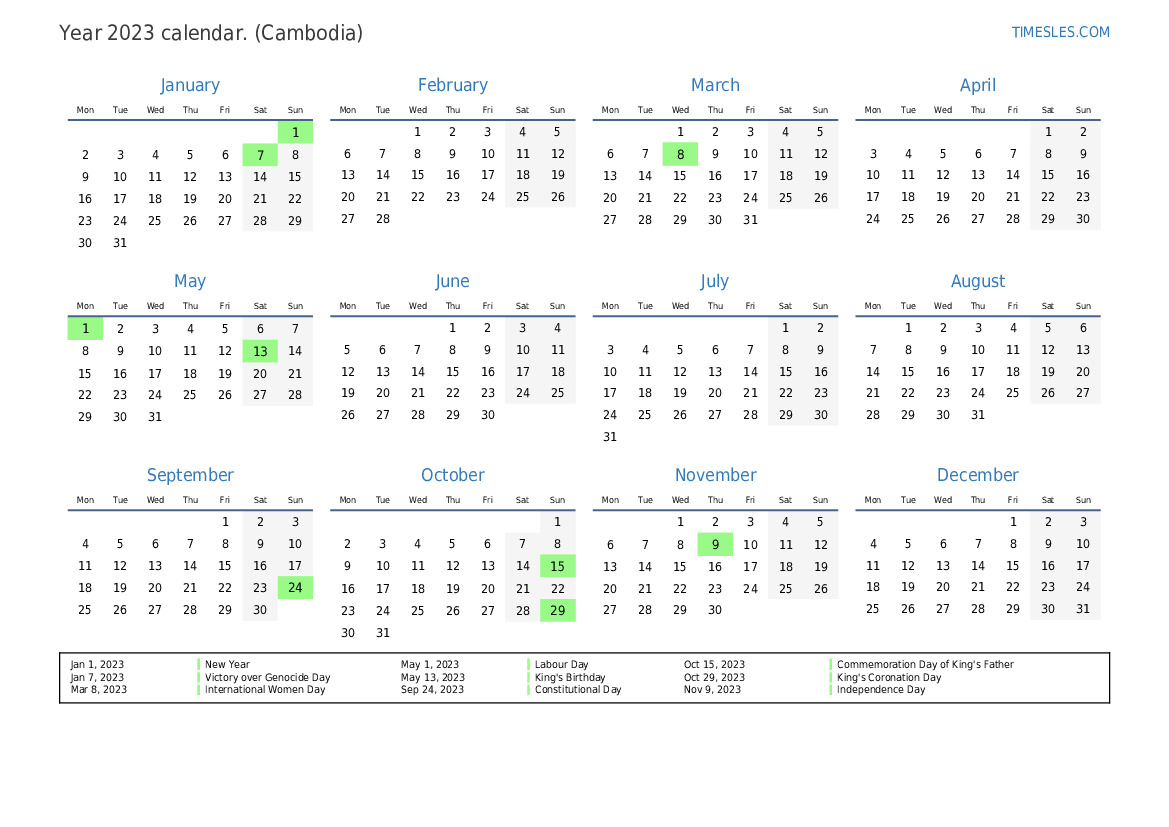
One significant challenge is the increasing prevalence of the Gregorian calendar in global communication, commerce, and administration. While the traditional Cambodian chronology remains vital for cultural and religious purposes, the Gregorian calendar is widely used for official government functions, international business, and educational institutions. This dual system can sometimes lead to confusion or require individuals to maintain awareness of both calendrical frameworks, particularly for those interacting with international systems.
Another challenge lies in the potential for traditional knowledge to diminish over time. The intricacies of the lunisolar calculations, the astrological interpretations, and the specific cultural meanings associated with each month and day require specialized knowledge. As society modernizes and younger generations become more exposed to globalized information, there is a risk that the detailed understanding of the traditional calendar’s nuances could become less widespread among the general population.
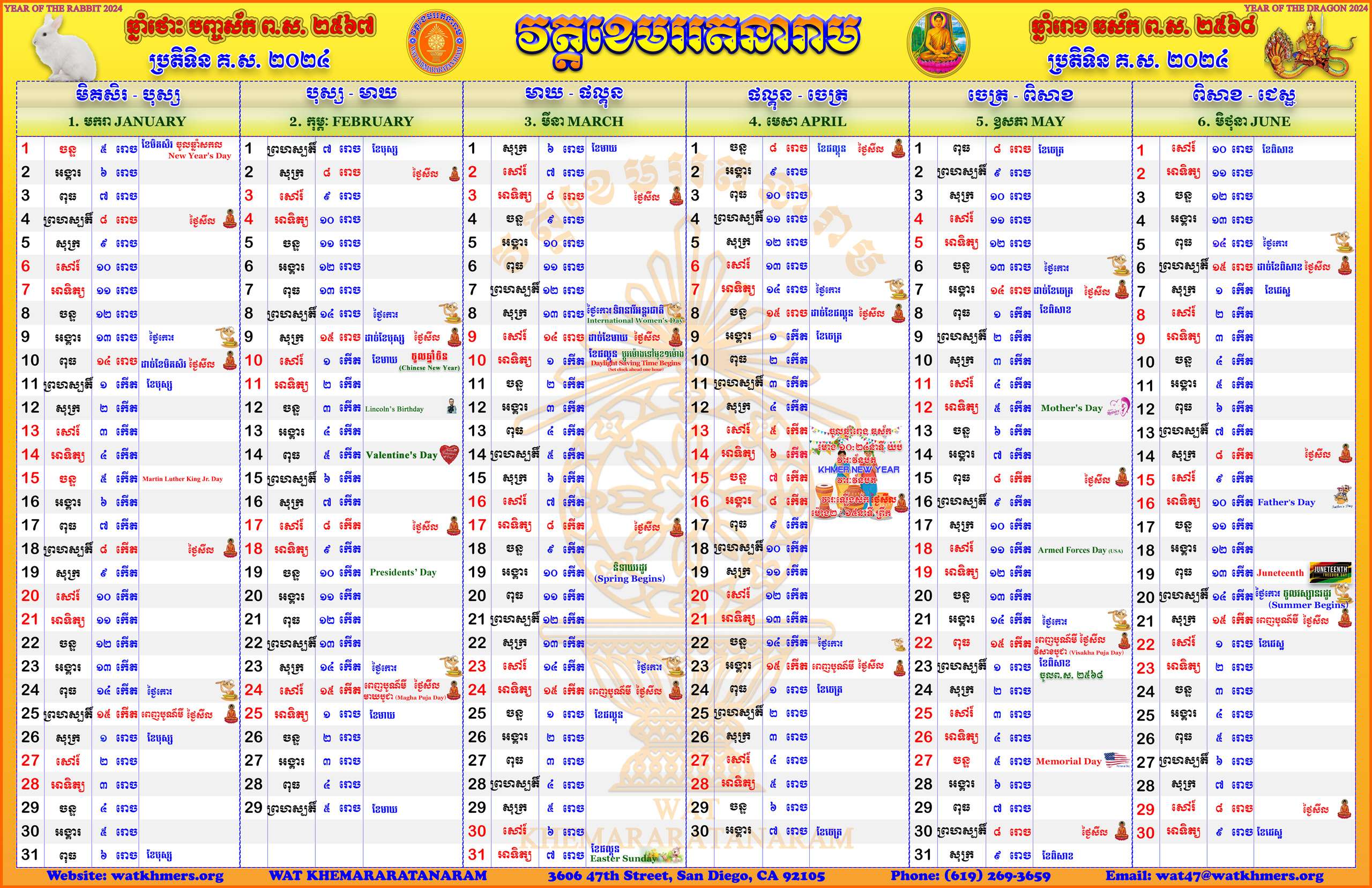
However, opportunities for the future of the Cambodia calendar also exist. The integration of traditional calendrical data into digital platforms and applications could enhance its accessibility and ease of use. Developing user-friendly digital Khmer calendars that automatically synchronize with the Gregorian system could help bridge the gap between tradition and modernity, making it easier for people to observe traditional dates while operating within a globalized context.
Furthermore, educational initiatives can play a crucial role in preserving and promoting knowledge of this traditional chronology. Incorporating the study of the traditional calendar into school curricula can ensure that future generations understand its cultural, historical, and practical significance. By embracing technological advancements and educational outreach, the Cambodia calendar can not only overcome its current challenges but also secure its place as a vibrant and relevant aspect of Cambodian identity for generations to come, adapting to modern needs without losing its intrinsic value.
FAQs about the Cambodia Calendar
Q1: What is the Cambodia calendar?
A1: The Cambodia calendar, also known as the Khmer calendar (Pracheam Sak), is a lunisolar calendar system. It is based on a combination of lunar cycles for months and the solar year for its overall annual structure. This system is deeply influenced by ancient Indian astronomy and Theravada Buddhist traditions, dictating the timing of religious festivals, national holidays, and agricultural activities.
Q2: Why is the Cambodia calendar important?
A2: The Cambodia calendar is critically important for preserving cultural identity and traditions. It sets the dates for all major national and religious festivals, such as Khmer New Year and Pchum Ben. It also guides agricultural practices, particularly rice cultivation, and influences personal decisions like auspicious days for life events. Its importance stems from its role as a cultural anchor, connecting the past with the present.
Q3: What are the main benefits of the Cambodia calendar?
A3: The main benefits include the preservation of cultural heritage by scheduling traditional festivals, providing a predictable framework for religious observances in Theravada Buddhism, and offering practical guidance for agricultural planning. It also fosters a strong sense of national identity and provides a unique connection to historical and astrological interpretations.
Q4: How can the Cambodia calendar be applied in daily life?
A4: In daily life, the Cambodia calendar is applied to determine the dates of public holidays, religious ceremonies, and community events. Individuals often consult it or traditional astrologers who use it to choose auspicious days for personal milestones such as weddings, house blessings, or starting a new business. Farmers use it for seasonal agricultural planning.
Q5: What challenges are associated with the Cambodia calendar?
A5: Challenges include the coexistence with the globally dominant Gregorian calendar, which can create a dual calendrical system in daily use. There is also a risk of diminishing traditional knowledge regarding its complex calculations and cultural nuances among younger generations. However, opportunities exist for digital integration and educational initiatives to mitigate these challenges.
Tips for the Cambodia Calendar
Understanding and utilizing the traditional Cambodian calendar effectively requires a thoughtful approach. Several key strategies can enhance one’s appreciation and practical application of this unique timekeeping system.
Understand the fundamentals. Begin by grasping that it is a lunisolar calendar, balancing lunar months with the solar year. Familiarity with the concept of intercalary months (adding an extra month every few years) to synchronize with seasons is crucial. Recognize that its core function is to align with religious observances and agricultural cycles, rather than solely tracking days sequentially.
Focus on practical use. Observe how the calendar dictates the dates of major national holidays like Khmer New Year, Pchum Ben, and Visak Bochea. Pay attention to how these dates shift annually relative to the Gregorian calendar. For those involved in agriculture, understanding its guidance on planting and harvesting seasons will prove invaluable. For personal events, consulting local traditions for auspicious days can provide cultural context.
Stay updated on new trends or research. While the core principles are ancient, the calendar’s interpretation and presentation can evolve. Look for reliable digital applications or online resources that accurately reflect the traditional chronology alongside the Gregorian calendar. Some researchers may also publish insights into its astronomical or cultural aspects, offering deeper understanding.
Avoid common mistakes. Do not confuse its dates directly with the Gregorian calendar, as they operate on different principles. Understand that traditional dates for festivals will vary each year on the Gregorian calendar. Avoid making critical life decisions based solely on a superficial understanding; consulting informed cultural experts or monks for important dates is often advisable.
Adopt a long-term approach. Appreciating the Cambodia calendar is a continuous journey of cultural immersion. Regularly engage with traditional festivals and observe how community life revolves around its rhythms. Over time, a deeper intuition for its significance will develop, enhancing one’s connection to Cambodian heritage and practices.
Conclusion about the Cambodia Calendar
The Cambodia calendar remains an indispensable pillar of Cambodian society, embodying a rich tapestry of history, spirituality, and practical wisdom. Its continuing importance cannot be overstated, deeply influencing the cultural, professional, and personal lives of the Cambodian people. This lunisolar system, with its roots in ancient astronomy and Buddhist traditions, provides the essential framework for national festivals, religious observances, and agricultural planning, serving as a vital link to the nation’s heritage.
While challenges exist, primarily stemming from the widespread use of the Gregorian calendar and the need to preserve traditional knowledge, the inherent benefits of this traditional chronology far outweigh them. Its capacity to maintain cultural continuity, foster spiritual unity, and offer practical guidance for livelihoods ensures its enduring relevance. Through adaptation, digital integration, and sustained educational efforts, the Cambodia calendar is poised to navigate the complexities of the modern world, ensuring that it remains a central element of progress and a timeless beacon of identity for future generations.



Leave a Reply